SMS Marketing
March 25, 2026
TheSMSBox Team
WhatsApp Video Messages: How to Use Them for Higher Engagement in 2026
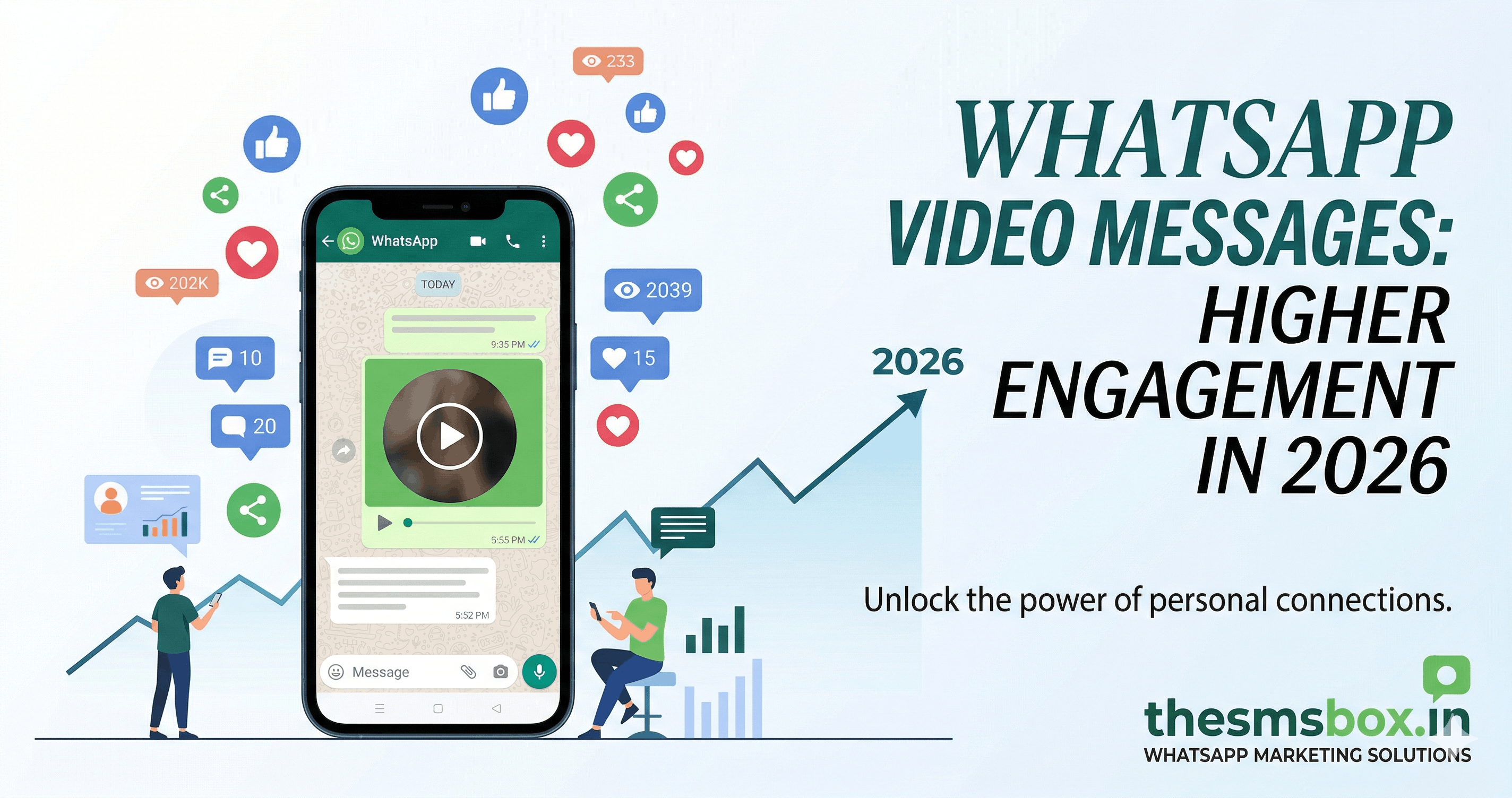
WhatsApp Video Messages are short, instant video clips that users can record and send directly within a chat. Unlike traditional videos, these are quick, informal, and designed for real-time communication. Typically, they are circular in format and can be recorded with a single tap, making them incredibly easy to use.
For businesses, this feature opens a new door to personalized marketing. Instead of sending plain text or images, brands can now communicate using face-to-face style messaging, which feels more authentic and engaging.
Why Video Messages Matter in 2026
The rise of video content is not new, but its dominance in messaging platforms is reaching new heights. Here’s why WhatsApp Video Messages are becoming a must-have tool:
1. Higher Engagement Rates
Video content naturally captures attention better than text or images. Users are more likely to watch a short video than read a long message. This leads to higher open rates, longer interaction times, and better engagement overall.
2. Personalization at Scale
Video messages allow businesses to add a human touch to communication. Whether it’s addressing a customer by name or sending a customized offer, video makes interactions feel personal and genuine.
3. Improved Trust and Credibility
Seeing a real person builds trust. Customers are more likely to engage with a brand when they can see faces, expressions, and emotions rather than just text.
4. Faster Communication
Sometimes explaining something in text can take multiple messages. A short video can deliver the same information quickly and clearly.
5. Stronger Emotional Connection
Video allows tone, expression, and body language—all of which help create emotional connections that text simply cannot achieve.
Key Use Cases for WhatsApp Video Messages
Businesses across industries are already using video messages creatively. Here are some of the most effective use cases:
1. Product Demonstrations
Instead of sending long descriptions, businesses can show products in action. A quick demo video helps customers understand features, benefits, and usage instantly.
2. Personalized Sales Pitches
Sales teams can send tailored video messages introducing themselves, explaining offers, or following up with leads. This makes the communication more engaging and less robotic.
3. Customer Support
Video messages can simplify complex support queries. For example, instead of typing step-by-step instructions, a support agent can record a quick walkthrough video.
4. Order Updates and Confirmations
Sending a short video confirming an order or showing packaging details can enhance the customer experience and build trust.
5. Event Invitations and Announcements
Video invites feel more exciting and personal compared to text messages. Businesses can use them for product launches, webinars, or promotional campaigns.
6. Feedback and Testimonials
Encouraging customers to share video feedback can create authentic testimonials that can be reused for marketing.
How to Use WhatsApp Video Messages Effectively
To maximize engagement, it’s important to use video messages strategically. Here are some best practices:
1. Keep It Short and Clear
Attention spans are limited. Aim for videos between 15–60 seconds. Deliver your message quickly and clearly.
2. Focus on Quality, Not Perfection
Video messages don’t need to be professionally produced. In fact, a slightly raw and natural look often performs better because it feels authentic.
3. Use a Friendly and Conversational Tone
Speak as if you are talking to a friend. Avoid overly formal language and focus on building a connection.
4. Add a Clear Call-to-Action (CTA)
Every video should have a purpose. Whether it’s “Reply now,” “Check this offer,” or “Visit our website,” guide the viewer on what to do next.
5. Personalize Whenever Possible
Use the customer’s name, reference past interactions, or tailor the message based on their preferences.
6. Optimize for Mobile Viewing
Ensure your videos are easy to watch on mobile devices. Use good lighting, clear audio, and avoid unnecessary background noise.
Advanced Strategies for 2026
To stay ahead of the competition, businesses need to go beyond basic usage. Here are some advanced strategies:
1. AI-Powered Video Personalization
With advancements in AI, businesses can now create personalized video messages at scale. AI tools can customize names, offers, and even visuals based on customer data.
2. Integration with WhatsApp API
Using WhatsApp Business API, companies can automate video message delivery for campaigns, follow-ups, and customer journeys.
3. Interactive Video Campaigns
Combine video messages with interactive elements like quick replies, buttons, and links to drive immediate action.
4. Drip Campaigns with Video
Instead of sending a single message, create a sequence of video messages that guide users through a journey—from awareness to conversion.
5. Retargeting with Video Content
Use video messages to re-engage users who didn’t respond to previous campaigns. A fresh, engaging video can capture their attention again.
Common Mistakes to Avoid
While video messages are powerful, improper use can reduce their effectiveness. Avoid these common mistakes:
Sending overly long videos that lose viewer interest
Lack of clarity in messaging
Poor audio or lighting quality
No clear CTA
Overusing video messages, which can feel spammy
Balance is key—use video where it adds value.
Measuring Success
To understand the effectiveness of your video messaging strategy, track key metrics such as:
Open rates
View rates
Response rates
Click-through rates
Conversion rates
Analyzing these metrics will help you refine your approach and improve future campaigns.
The Future of WhatsApp Video Messaging
As we move deeper into 2026, WhatsApp Video Messages are expected to become even more advanced. Features like augmented reality (AR), real-time translation, and deeper AI integration will further enhance their capabilities.
Businesses that adopt this technology early will have a significant advantage in building stronger customer relationships and driving higher engagement.
Conclusion
WhatsApp Video Messages are not just a trend—they are a powerful communication tool that is reshaping how businesses interact with customers. By combining personalization, visual storytelling, and instant communication, they offer unmatched engagement potential.
To succeed in 2026, businesses must embrace video messaging as part of their core strategy. Whether it’s sales, support, or marketing, video messages can help you connect with your audience in a more meaningful and impactful way.
Start small, experiment with different formats, and continuously optimize your approach. With the right strategy, WhatsApp Video Messages can become one of your most effective tools for growth and customer engagement.