SMS Marketing
March 21, 2026
TheSMSBox Team
The Role of Transactional Messages in WhatsApp Marketing Success
In today’s competitive digital landscape, businesses are constantly searching for effective ways to connect with customers in real-time. Among all communication channels, WhatsApp marketing has emerged as one of the most powerful tools for engagement, customer retention, and sales growth. While promotional messages often get the spotlight, one of the most underrated yet impactful components of WhatsApp marketing is transactional messages.
Transactional messages play a crucial role in building trust, improving customer experience, and driving long-term business success. Unlike promotional content, these messages are expected, relevant, and highly valued by customers.
In this blog, we will explore the meaning, importance, and impact of transactional messages, and how they contribute to WhatsApp marketing success.
What Are Transactional Messages?
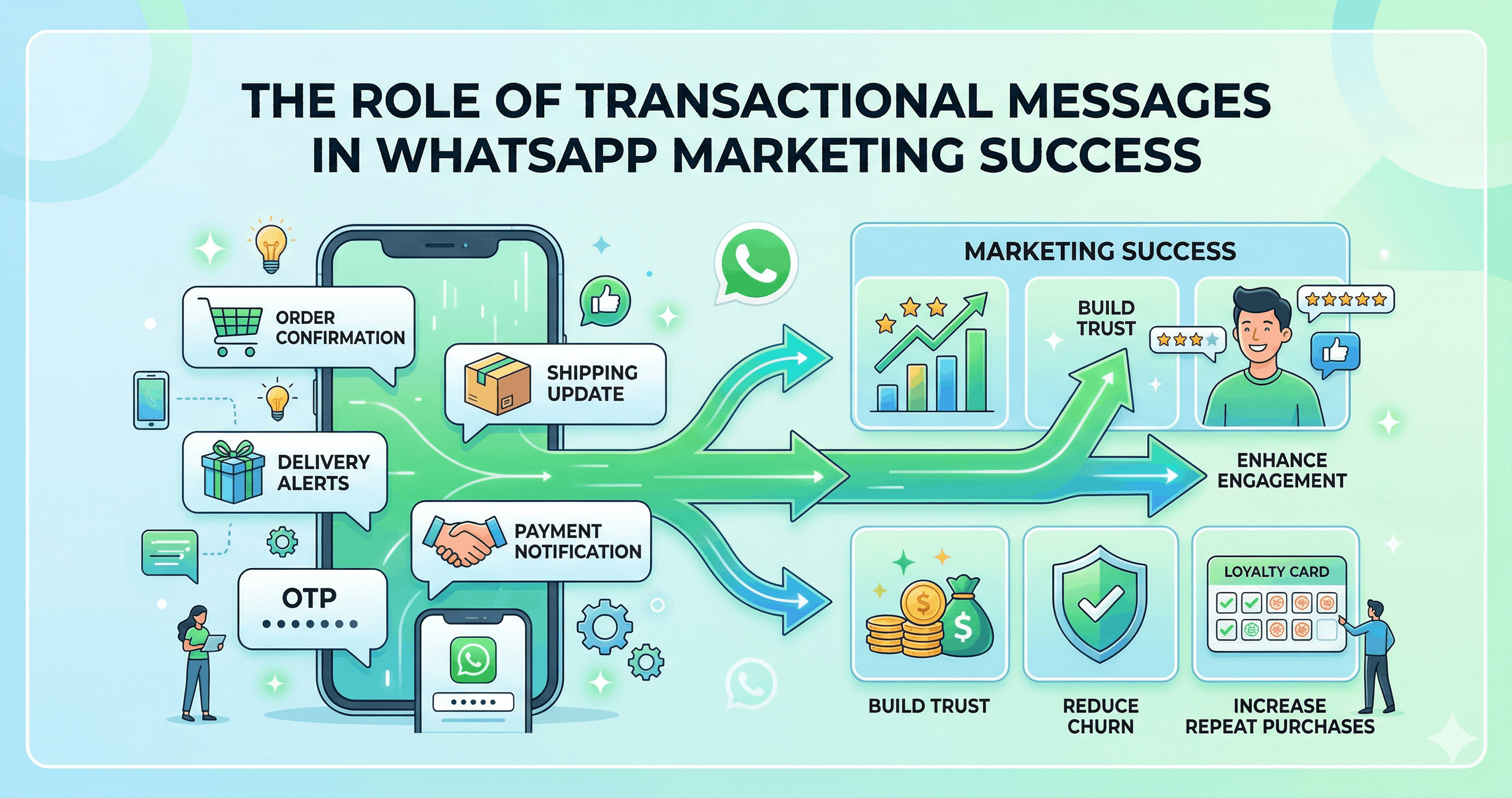
Transactional messages are automated, non-promotional messages sent to users to provide important information related to their interaction with a business.
These messages are triggered by specific user actions such as:
Placing an order
Making a payment
Booking a service
Requesting a password reset
Receiving delivery updates
Examples of Transactional Messages:
Order confirmation messages
Payment receipts
Shipping and delivery updates
Appointment reminders
OTP (One-Time Password) messages
These messages are essential for keeping customers informed and ensuring smooth communication throughout their journey.
Why Transactional Messages Matter in WhatsApp Marketing
Many businesses focus heavily on promotional campaigns but overlook the power of transactional communication. However, transactional messages often have higher open rates and engagement because they are directly relevant to the user.
Here’s why they matter:
1. High Open Rates
Transactional messages are expected by users, which means they are almost always opened and read. This gives businesses a guaranteed touchpoint with customers.
2. Builds Trust and Credibility
Sending timely and accurate updates builds confidence in your brand. Customers feel secure when they receive instant confirmations and updates.
3. Enhances Customer Experience
Clear communication reduces confusion and improves overall satisfaction. Customers appreciate being informed at every step.
4. Supports Customer Retention
Good communication leads to better experiences, which increases the chances of repeat business.
How Transactional Messages Drive Sales
Although transactional messages are non-promotional, they indirectly contribute to sales growth in powerful ways.
1. Creating a Smooth Customer Journey
From order placement to delivery, transactional messages ensure a seamless experience. A smooth journey increases customer satisfaction and encourages repeat purchases.
2. Reducing Cart Abandonment
Sending reminders or confirmations at the right time can reduce drop-offs and improve conversion rates.
3. Encouraging Repeat Purchases
A satisfied customer is more likely to return. Transactional messages help build that satisfaction by providing reliable communication.
4. Upselling Opportunities (Smartly Done)
While transactional messages should not be overly promotional, subtle suggestions can be included.
Example:
“Your order has been confirmed. You may also like these products…”
This approach keeps the message relevant while creating additional sales opportunities.
Key Types of Transactional Messages on WhatsApp
To fully leverage their power, businesses should understand the different types of transactional messages:
1. Order Confirmation Messages
Sent immediately after a purchase to confirm order details.
2. Payment Notifications
Inform customers about successful or failed transactions.
3. Shipping and Delivery Updates
Provide real-time tracking and delivery status.
4. Appointment Reminders
Useful for service-based businesses like salons, clinics, or consultants.
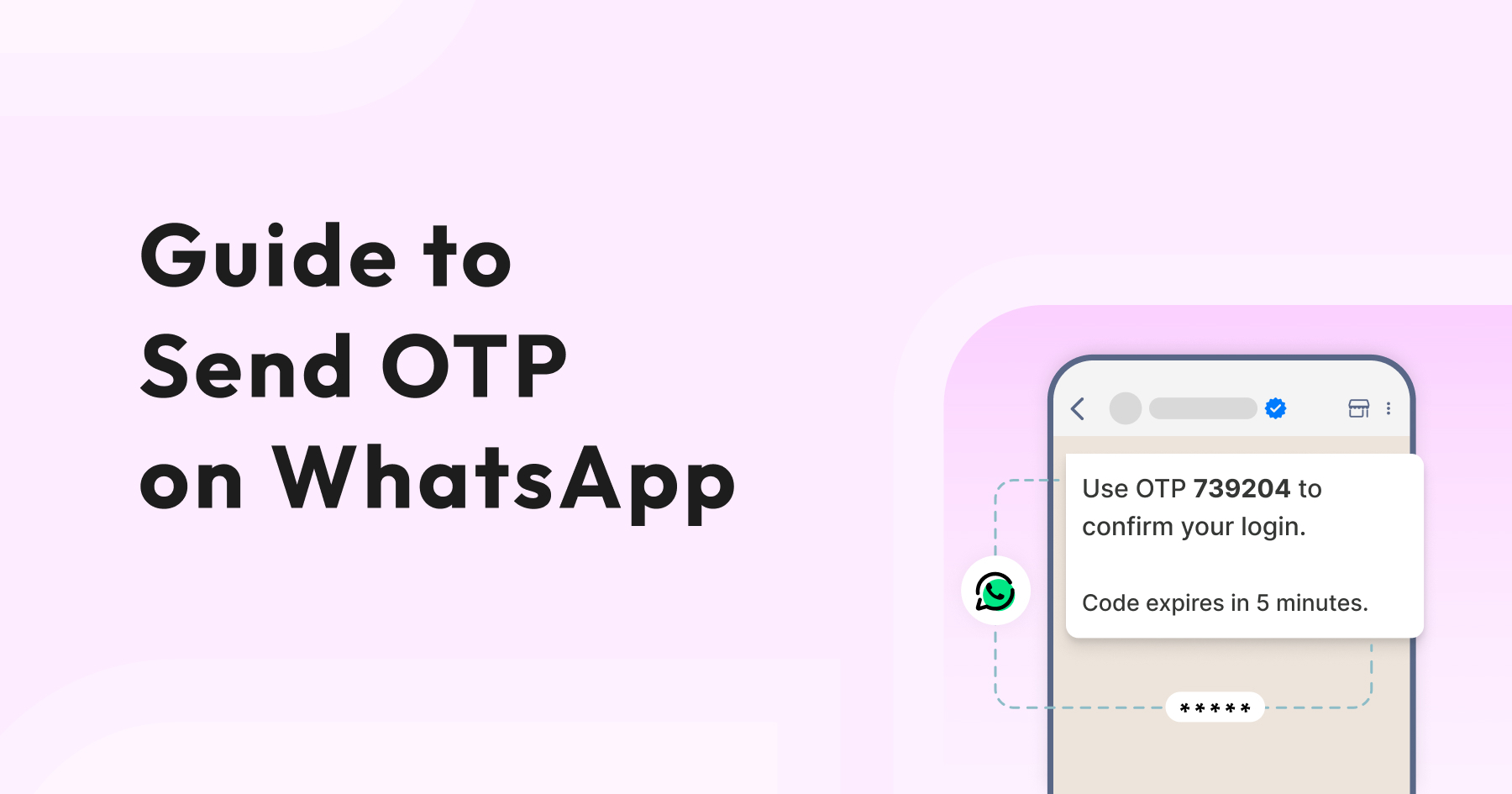
5. OTP and Verification Messages
Ensure secure login and account verification.
Each type plays a specific role in enhancing customer communication and trust.
Best Practices for Using Transactional Messages
To maximize the effectiveness of transactional messages in WhatsApp marketing, follow these best practices:
1. Be Clear and Concise
Keep messages simple and to the point. Avoid unnecessary information.
2. Ensure Timely Delivery
Send messages instantly after the triggering action. Delays can reduce trust.
3. Personalize Messages
Use customer names and relevant details to create a personalized experience.
Example:
“Hi Rahul, your order #1234 has been shipped.”
4. Maintain a Professional Tone
Even though WhatsApp is a casual platform, your communication should reflect professionalism.
5. Avoid Over-Promotion
Transactional messages should focus on information. Excessive promotion can reduce trust.
6. Optimize for Mobile Readability
Use short sentences, proper spacing, and a clean format.
Transactional vs Promotional Messages
Understanding the difference between transactional and promotional messages is crucial:
Feature Transactional Messages Promotional Messages
Purpose Provide information Promote products/services
Timing Trigger-based Campaign-based
User Expectation High Medium
Engagement Rate Very High Variable
Both are important, but transactional messages form the foundation of trust, while promotional messages drive direct sales.
Role of Automation in Transactional Messaging
Automation is the backbone of effective transactional messaging. Using tools like WhatsApp API platforms, businesses can:
Send instant responses
Handle large volumes of messages
Maintain consistency
Reduce manual effort
Automation ensures that no customer is left waiting, which is critical for maintaining a positive brand image.
Real-World Impact on Business Growth
Businesses that effectively use transactional messages often see:
Increased customer satisfaction
Higher retention rates
Improved brand loyalty
Better conversion rates over time
These messages may not directly sell products, but they create an environment where customers feel confident to make purchases.
Future of Transactional Messaging on WhatsApp
As WhatsApp continues to evolve, transactional messaging will become even more advanced with features like:
AI-driven personalization
Interactive message formats
Rich media integration
Real-time analytics
Businesses that adopt these innovations early will gain a competitive advantage.