SMS Marketing
March 23, 2026
TheSMSBox Team
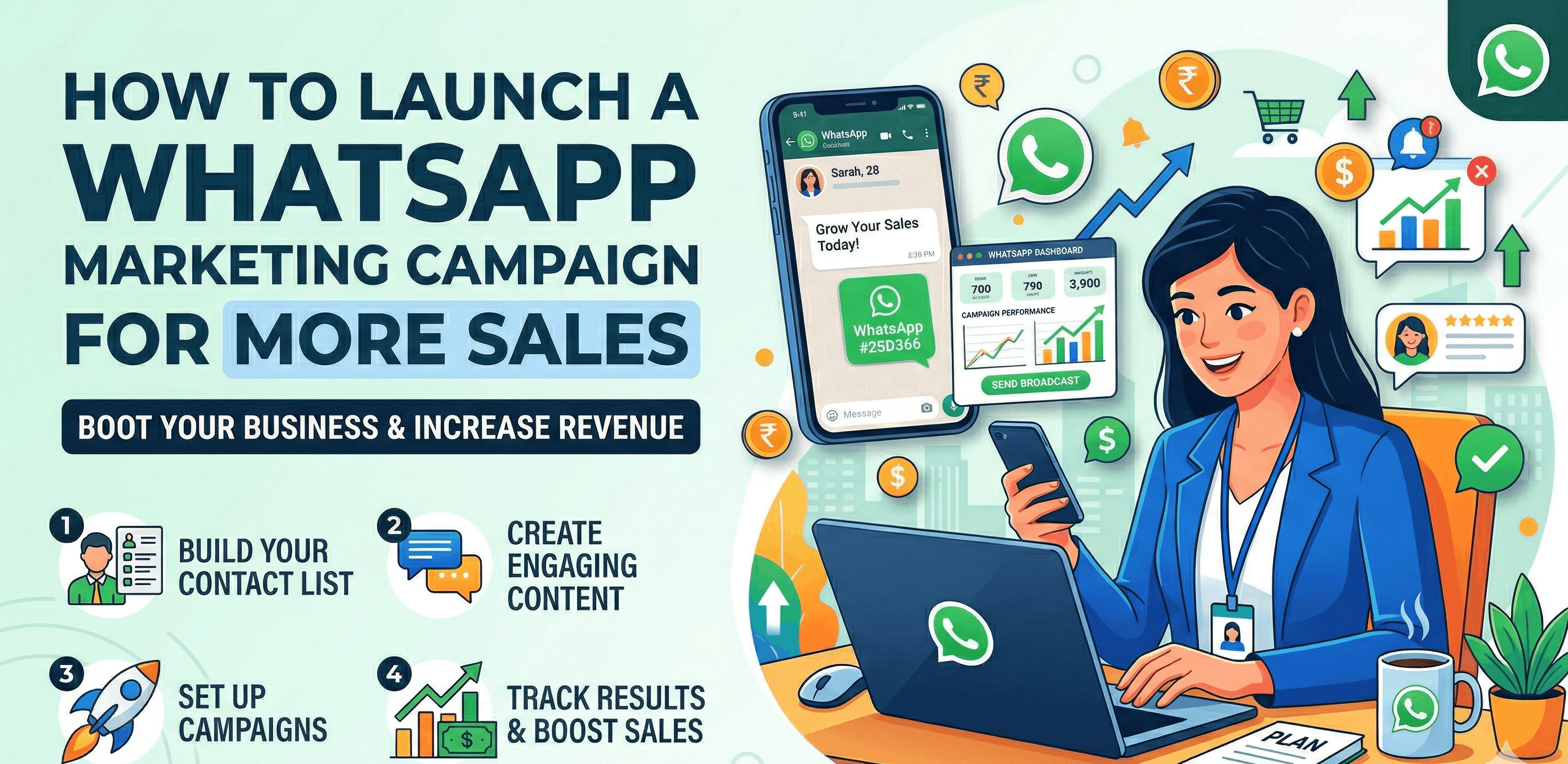
How To Launch WhatsApp Marketing Campaign For More Sales
In the modern digital landscape, businesses require fast, direct, and personalized communication channels to stay competitive. WhatsApp has emerged as one of the most powerful tools for customer engagement, offering unparalleled reach and interaction rates. With billions of active users worldwide, WhatsApp enables businesses to connect with customers in real time, build trust, and drive meaningful sales outcomes.
A well-executed WhatsApp marketing campaign is not just about sending messages—it is about delivering the right message, to the right audience, at the right time. This guide outlines a professional approach to launching a high-performing campaign that generates consistent business growth.
🧠 Strategic Overview of WhatsApp Marketing
WhatsApp marketing refers to the use of WhatsApp as a communication channel to promote products or services, nurture leads, provide customer support, and increase conversions. Compared to traditional channels such as email or SMS, WhatsApp offers significantly higher engagement due to its instant and conversational nature.
Businesses typically operate using WhatsApp Business for small to medium-scale operations, or WhatsApp Business API for automation, integration, and large-scale campaigns. Choosing the right platform depends on your business size, campaign goals, and customer volume.
🏗️ Establishing a Professional Business Presence
Before initiating any campaign, it is essential to create a credible and optimized business profile. Your WhatsApp profile acts as the first impression of your brand.
A professional setup should include:
A recognizable business name and logo
A concise yet compelling business description
Updated contact information and website link
Clearly defined business hours
A structured product or service catalog
A well-optimized profile enhances brand trust and increases the likelihood of customer engagement.
📋 Audience Acquisition and Consent
A critical component of WhatsApp marketing is building a permission-based contact list. Unlike other marketing channels, WhatsApp enforces strict policies regarding user consent.
Businesses should focus on acquiring opt-ins through:
Website registration forms
Landing pages and lead magnets
Social media campaigns
QR codes for offline engagement
Checkout or post-purchase opt-ins
Offering value-driven incentives such as exclusive discounts or early access can significantly improve subscription rates. It is important to avoid unauthorized contact lists, as they may result in account restrictions or bans.
🎯 Defining Campaign Objectives
A successful campaign begins with a clear and measurable objective. Without defined goals, it becomes difficult to evaluate performance or optimize results.
Common objectives include:
Driving direct sales
Promoting new product launches
Increasing customer retention
Recovering abandoned carts
Enhancing customer engagement
Each objective should align with your overall business strategy and guide your messaging approach.
✍️ Crafting Effective Communication
The effectiveness of a WhatsApp campaign largely depends on message quality. Since WhatsApp is a personal messaging platform, communication must feel natural, relevant, and customer-centric.
Professional messaging should:
Be concise and easy to understand
Include personalization elements (e.g., customer name)
Focus on value rather than aggressive promotion
Contain a clear call-to-action (CTA)
Well-crafted messages improve response rates and encourage users to take immediate action.
📸 Leveraging Rich Media Content
One of WhatsApp’s key advantages is its support for multimedia content. Businesses can enhance engagement by incorporating:
High-quality product images
Short promotional videos
Digital catalogs in PDF format
Voice notes for personalized communication
Visual and interactive content captures attention more effectively than plain text and plays a crucial role in influencing purchase decisions.
⚙️ Automation and Scalability
For businesses aiming to scale their marketing efforts, automation is essential. By leveraging tools integrated with Meta Platforms ecosystem, companies can streamline communication and maintain consistency.
Automation capabilities include:
Instant welcome messages
Chatbot-driven conversations
Scheduled campaign delivery
Trigger-based notifications (e.g., order updates, reminders)
Automation not only improves efficiency but also enhances the overall customer experience.
🛍️ Utilizing WhatsApp Catalog for Sales
The WhatsApp catalog feature allows businesses to showcase products directly within the app, creating a seamless browsing experience for customers.
Each product listing should include:
Clear product images
Accurate pricing information
Brief yet informative descriptions
This feature simplifies the buying process and reduces friction in the customer journey, ultimately leading to higher conversion rates.
⏰ Timing and Frequency Optimization
Sending messages at the appropriate time is crucial for maximizing engagement. Poor timing can lead to message fatigue or reduced response rates.
Best practices include:
Communicating during standard business hours
Avoiding excessive messaging frequency
Maintaining a balanced communication schedule
Consistency combined with moderation ensures sustained customer interest without overwhelming the audience.
📊 Performance Tracking and Optimization
Continuous monitoring and analysis are essential for long-term success. Businesses should track key performance indicators such as:
Message open rates
Click-through rates (CTR)
Customer response rates
Conversion metrics
These insights help identify strengths and areas for improvement, enabling data-driven decision-making and campaign optimization.
🔒 Compliance and Best Practices
Adhering to platform guidelines is critical for maintaining a sustainable WhatsApp marketing strategy. Businesses must follow the policies established by WhatsApp to ensure compliance.
Key considerations include:
Obtaining explicit user consent
Providing an easy opt-out mechanism
Avoiding spam or misleading content
Respecting user privacy